Share this article


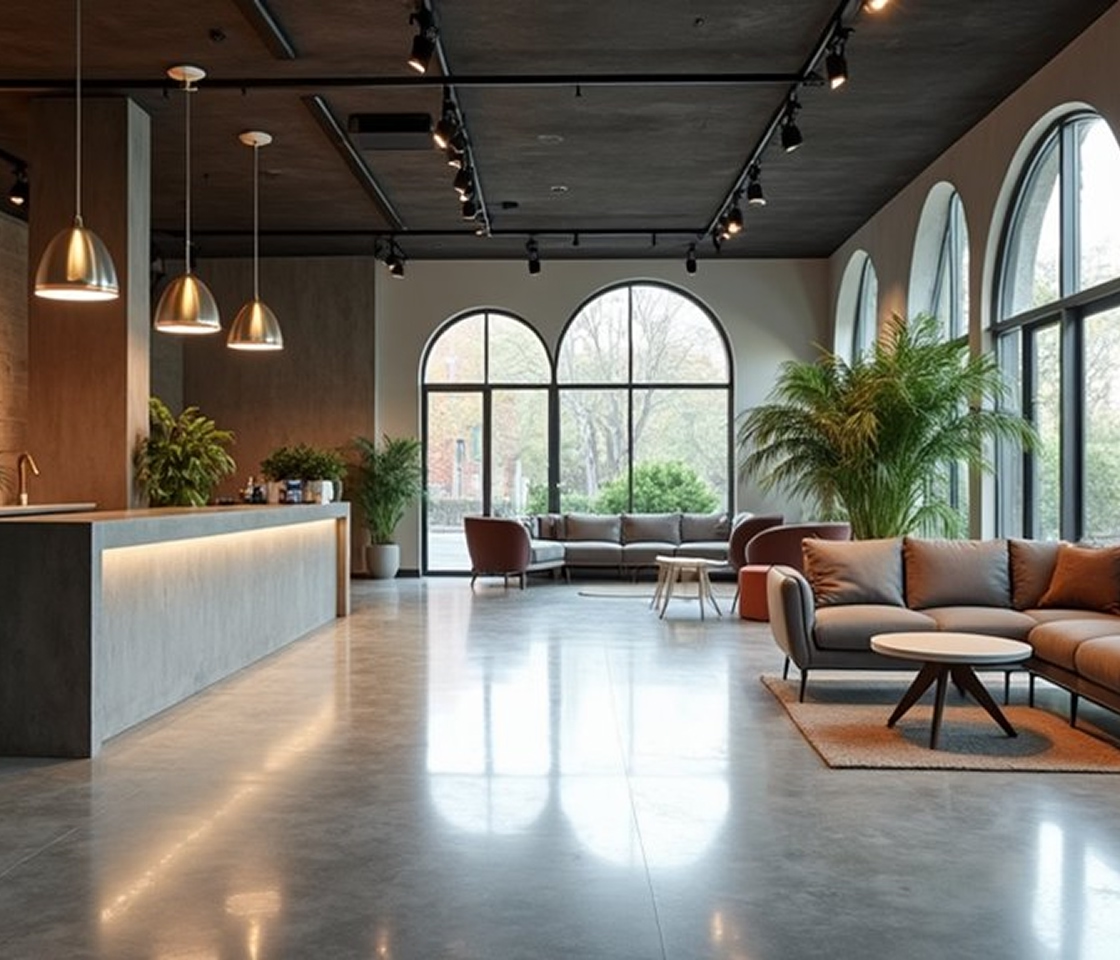
Real estate design in 2026 prioritizes human-centric spaces, built-in flexibility, experience-led placemaking, and embedded technology—with color emerging as a strategic tool for mood and emotional response.
Design-led thinking is redefining not just how spaces look—but how they function, adapt, and endure over time.
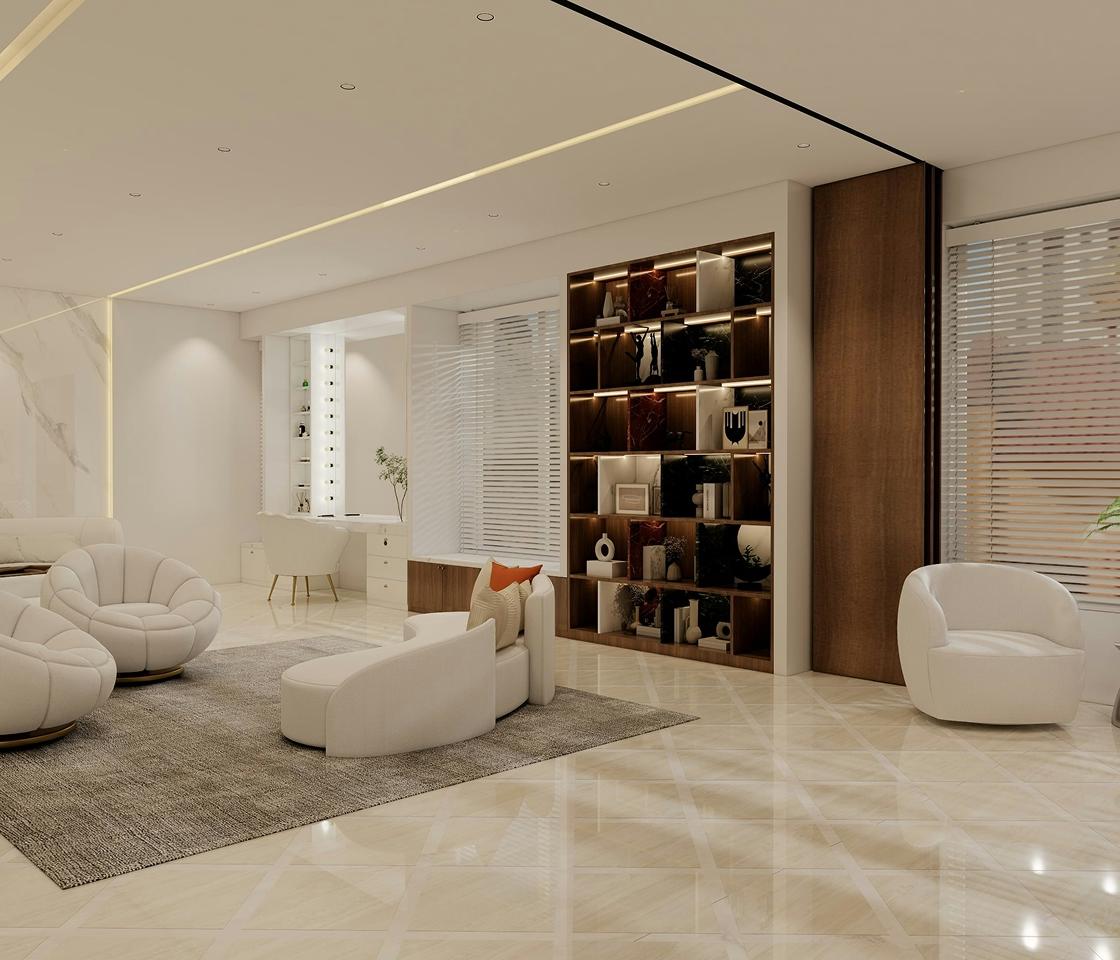
At the heart of this evolution is a clear shift toward people-first design. Across global markets, buildings are being conceived around human comfort and experience—maximizing natural light, integrating biophilic elements, improving acoustics, and creating layouts that feel intuitive rather than imposed.
Human-centric design is no longer a “nice to have.” It has become a measurable value driver. Spaces that feel calm, balanced, and thoughtfully planned consistently support higher engagement, productivity, and tenant retention. Today’s occupiers are not just leasing space—they’re choosing environments that support how they work, collaborate, and recharge.
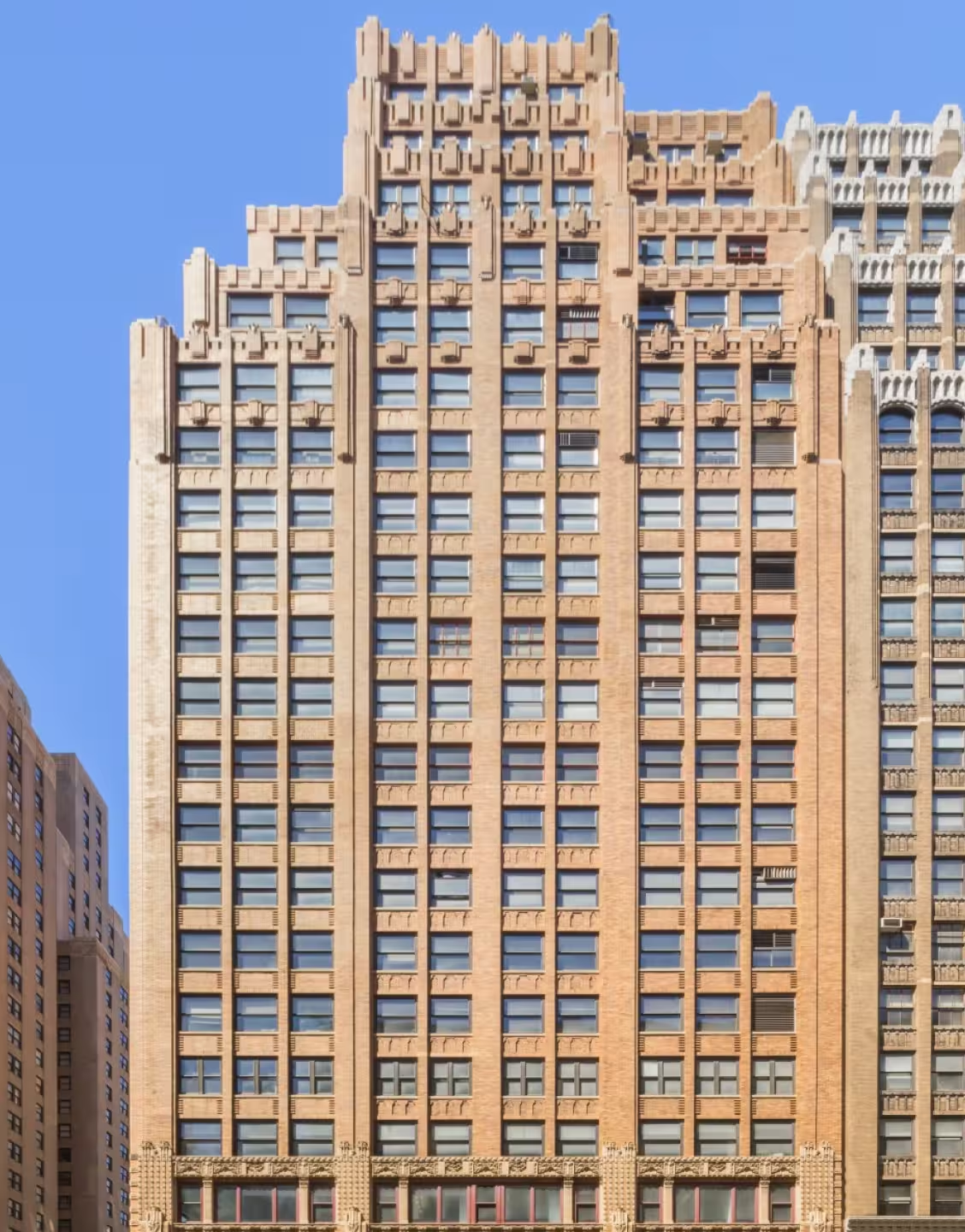
In 2026, the most future-ready assets are those built to evolve. Instead of rigid layouts, developers are prioritizing modular planning, flexible floor plates, and scalable infrastructure that can adapt as occupier needs change.
This approach significantly reduces functional obsolescence and extends asset life cycles. Design is no longer about solving today’s requirements alone—it’s about anticipating tomorrow’s shifts. Buildings that can flex and transform are proving far more resilient in an unpredictable market.
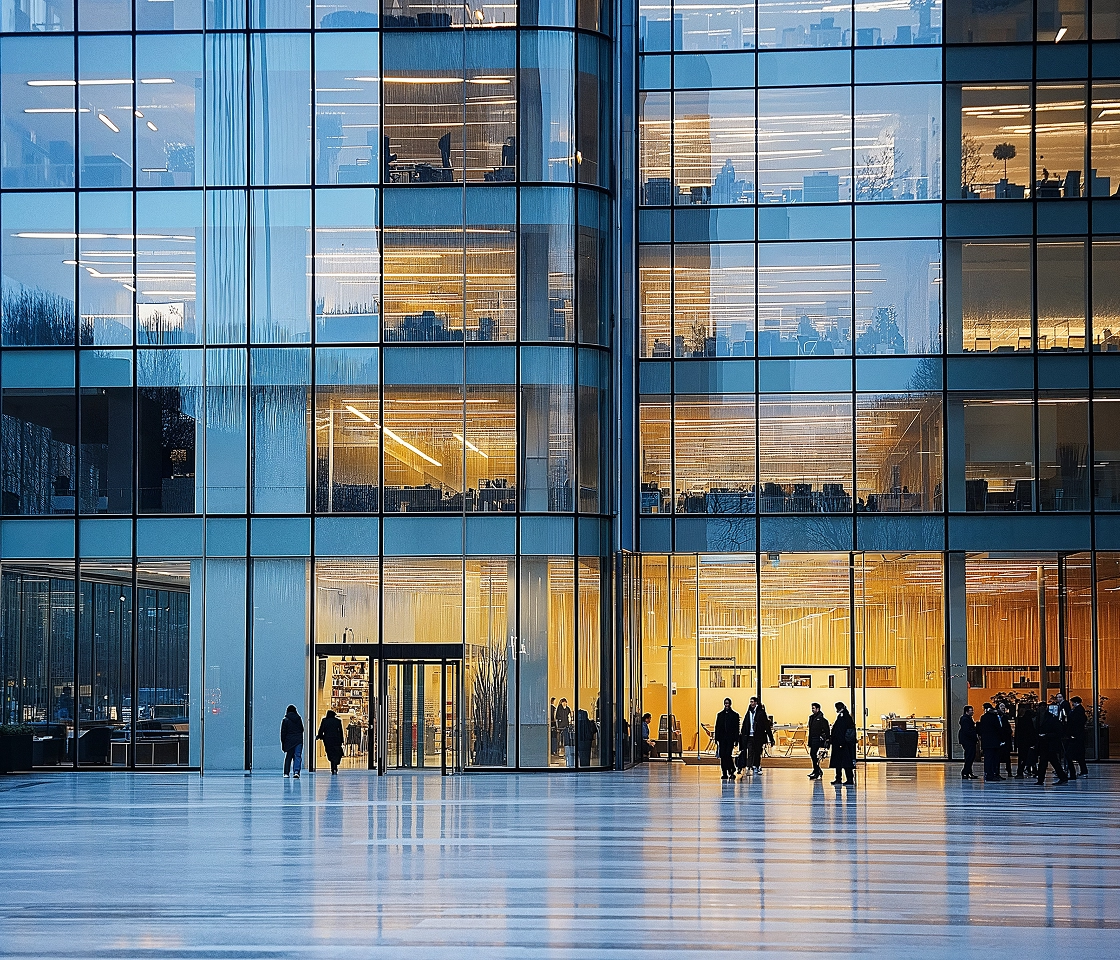
Design thinking is also expanding beyond individual buildings to focus on entire environments. Real estate in 2026 is increasingly experience-led, with amenity-rich campuses, integrated mixed-use developments, and community-oriented spaces becoming the norm rather than the exception.
Placemaking strengthens emotional connection, drives footfall, and builds long-term value. The success of a space is now measured not just by efficiency metrics, but by how people feel within it—whether they choose to stay longer, return more often, or build a sense of belonging around it.
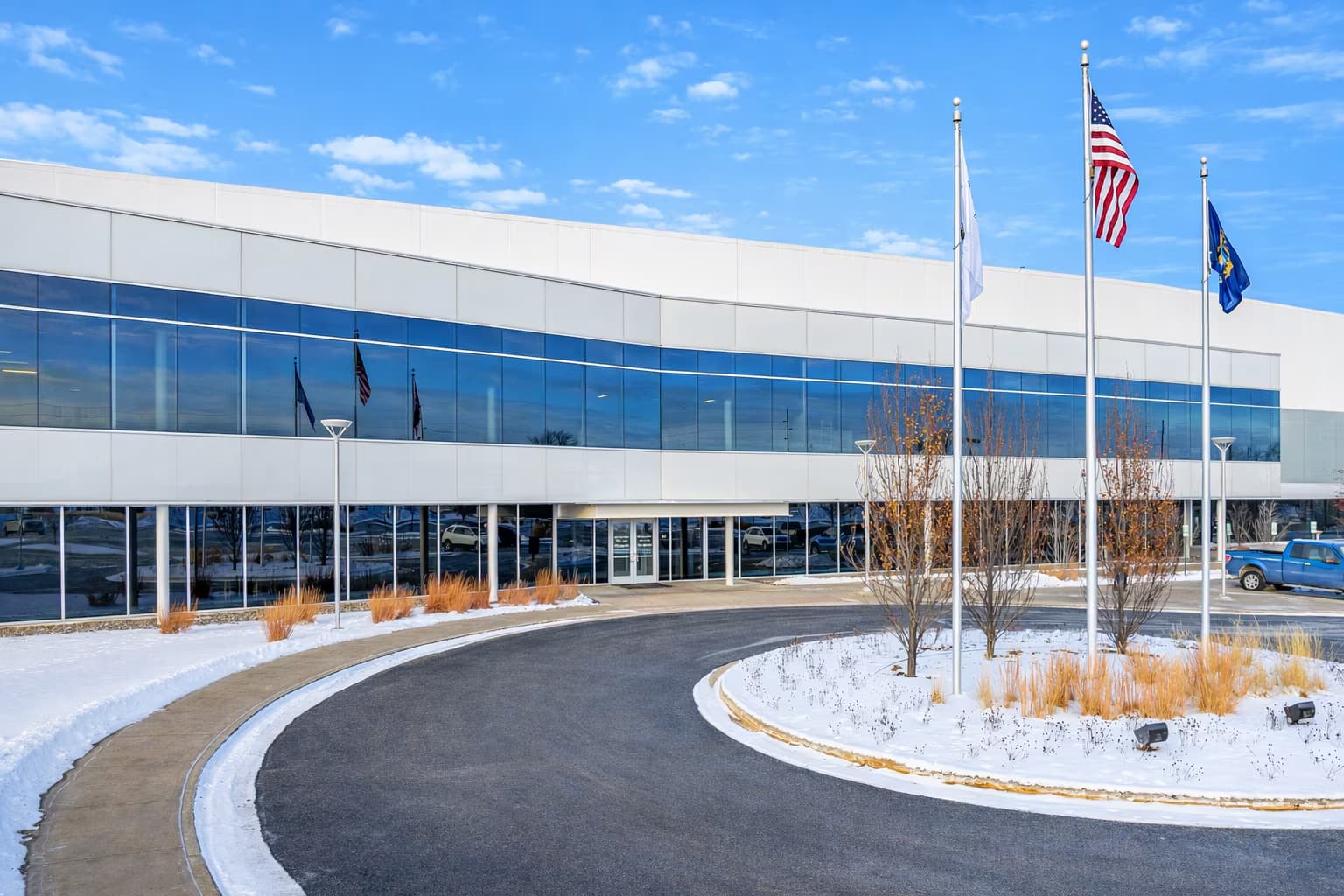
The best-designed spaces are those where technology works quietly in the background, supporting performance while preserving human comfort. Technology is embedded into the design process from day one to enhance efficiency, sustainability, and user experience without feeling intrusive. Smart building systems, AI-led energy management, and digital access solutions are shaping how buildings perform and how users interact with them daily.
As design becomes more human-centric, flexible, and experience-driven, one element is gaining renewed strategic importance: color.
Color today is far more than decorative. It influences mood, perception, focus, and emotional response. In a world increasingly seeking calm, clarity, and intention, the palettes we choose are becoming just as important as the layouts we design.
It’s no coincidence that this shift is reflected in the Pantone Color of the Year for 2026—a choice that signals a broader move toward thoughtful restraint and emotionally intelligent design.